

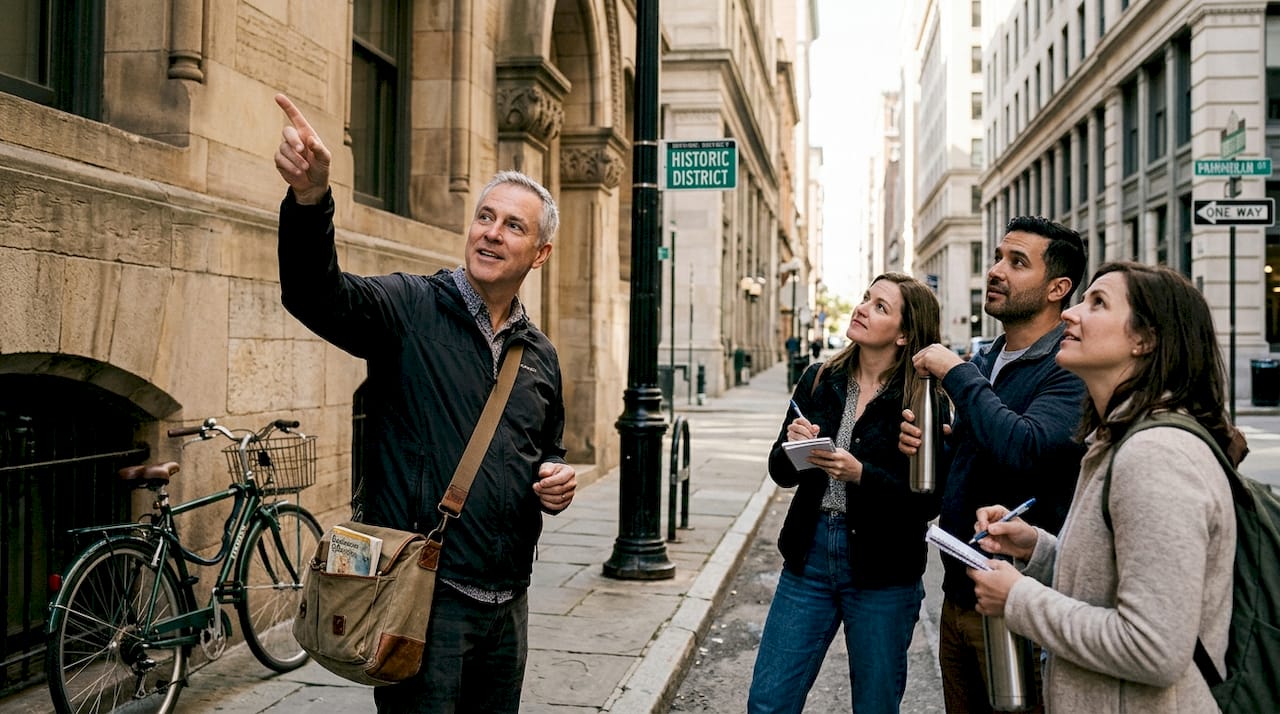
Visiting a new destination can be exciting, but seeing it only through major tourist attractions may leave travelers with an incomplete picture. Every town and city has its own daily routines, traditions, food, neighborhoods, and community stories. A local guide can help visitors experience these details and develop a stronger connection with the place they are exploring.
A helpful Toronto Guide can introduce visitors and residents to the city’s most interesting places, from cultural attractions and restaurants to shopping areas and entertainment venues. Well-organized local information makes planning easier and helps people discover experiences that match their interests, schedule, and preferred way of exploring the city.
Local knowledge can turn a simple sightseeing trip into a more personal and informative journey.
See Beyond Famous Landmarks
Popular landmarks are often the first places travelers want to visit. They provide an introduction to a destination, but they do not always show how local residents experience their community.
A local guide can take visitors beyond the busiest attractions and introduce them to areas that reflect everyday life. Neighborhood streets, public spaces, local markets, and independent businesses can offer valuable insight into the destination.
This broader experience can make a trip feel more genuine.
Understand How the Community Lives
Every community has its own rhythm. People gather in certain places, follow particular traditions, and enjoy foods or activities that may be unfamiliar to visitors.
A local guide can explain these everyday patterns and help travelers understand what they see around them.
Learning about ordinary life can be just as interesting as visiting a major attraction because it provides a more complete picture of the destination.
Explore Local Markets
Markets are often excellent places to experience the character of a community. They can feature regional foods, handmade products, traditional ingredients, clothing, crafts, and everyday goods.
A local guide can explain what different products are used for and point out specialties associated with the area.
For visitors, this can be a chance to interact with local surroundings in a more natural way.
Learn About Traditional Cuisine
Food is closely connected to culture. Local dishes can reflect regional ingredients, historical influences, family traditions, and seasonal habits.
A local guide can introduce travelers to traditional cuisine and explain the background of particular dishes. They can also help visitors understand local dining practices.
Trying regional food with this added context can make the experience much more memorable.
Discover Stories That Visitors May Miss
Destinations often contain stories that are not displayed on signs or included in basic sightseeing information. A particular street may have historical importance, or a building may have an interesting connection to the community.
A knowledgeable guide can share these stories while travelers are actually standing in the relevant location.
This makes history easier to understand and gives ordinary places greater significance.
Learn Local Customs
Travelers benefit from understanding how to behave respectfully in unfamiliar communities. Local customs may involve greetings, clothing, photography, dining, public behavior, or visits to important cultural sites.
A local guide can provide simple explanations before situations arise. This helps visitors feel more confident while encouraging respectful interactions with residents.
Find Convenient Ways to Get Around
Transportation is another area where local knowledge can be valuable. Visitors may not know which routes are easiest, how long journeys usually take, or which travel options are most convenient.
A local guide can provide practical suggestions based on familiarity with the area.
This can help reduce confusion and allow travelers to spend more time exploring instead of dealing with unnecessary navigation problems.
Enjoy a Personalized Experience
Travelers have different interests and priorities. Some may want to explore architecture, while others are interested in history, photography, shopping, nature, art, or food.
A local guide can help shape the experience around these preferences. This creates an itinerary that feels more personal and useful.
Personalization can also make the trip more enjoyable because travelers are spending their time on activities they genuinely appreciate.
Connect With the Destination
The greatest benefit of local guidance may be the sense of connection it creates. Travelers can learn not only what a place looks like but also why it matters to the people who live there.
This deeper perspective encourages visitors to slow down, observe their surroundings, and appreciate details they might otherwise overlook.
Conclusion
A local guide can help travelers experience a destination in a way that goes beyond conventional sightseeing. By introducing local neighborhoods, traditions, markets, food, stories, and everyday customs, a guide can provide a more complete understanding of the area.
For travelers who want to experience a destination with greater curiosity and cultural awareness, local guidance can make the journey more meaningful, comfortable, and memorable.