

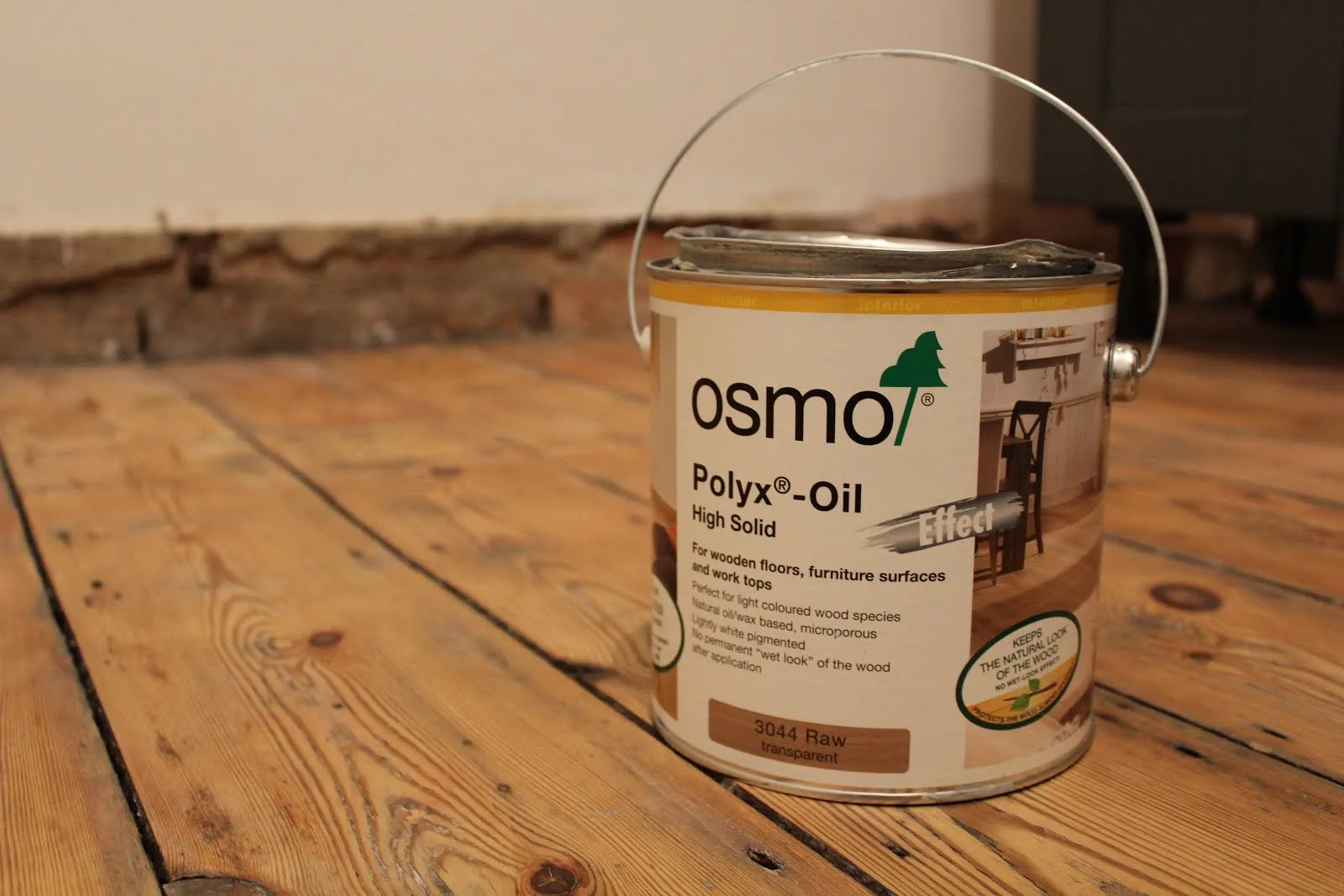
Timber floors bring warmth and character to any Australian home, but they need the right protection to stay looking their best. With so many Osmo floor products on the market, picking the correct one can feel confusing. The good news is that a few simple factors will point you towards the right choice for your surface.
The first step is understanding what these finishes actually do. Osmo floor products use a blend of natural oils and waxes to penetrate the wood while forming a protective surface layer. This approach suits Australia’s climate, where humidity and temperature can swing between seasons. A finish that breathes with the timber helps reduce cracking and warping over time.
Before you buy any osmo floor product, take time to assess your timber type. Australian homes often feature species such as spotted gum, blackbutt, Tasmanian oak, and jarrah. Each timber has a different grain, hardness, and oil content, which affects how a finish absorbs and cures. Denser hardwoods may need a product designed for slower penetration, while softer timbers respond well to standard oil-based finishes.
Match the Finish to Your Timber
Colour and sheen matter too. Some finishes are clear and let the natural grain show through, while others add a subtle tint or a matte, satin, or gloss appearance. Test a small offcut or an out-of-sight patch first. Timber can look very different once oil soaks in, and a sample lets you check the result before committing to the whole floor.
Consider the age and condition of your timber as well. New floors that have been freshly sanded absorb oil evenly and give a smooth result. Older floors may have residue from previous coatings, so they often need stripping or sanding back before a new finish will bond properly.
Think About How the Room Is Used
Foot traffic makes a big difference to your choice. High-use areas such as hallways, kitchens, and living rooms take a beating, so they benefit from a more durable, hard-wearing finish. Bedrooms and studies see gentler use, which means a lighter product will hold up fine.
Moisture exposure is another factor to weigh up. Rooms near wet areas, or homes in coastal parts of Australia, deal with more humidity. A water-resistant finish gives extra peace of mind in these spaces and helps guard against swelling and staining.
Plan for Maintenance
The right product also depends on how much upkeep you want to do. Oil-based finishes are easy to spot-repair. You can refresh a worn patch without sanding the entire floor, which saves time and money over the years. This makes them practical for busy households.
Application method is worth checking too. Some finishes go on with a brush, others with a roller or cloth. Read the drying times, since Australian summer heat can speed up curing and affect how you work.
Choosing the correct finish comes down to knowing your timber, your room, and your habits. Take these factors into account, and your floors will stay protected and looking good for years.