

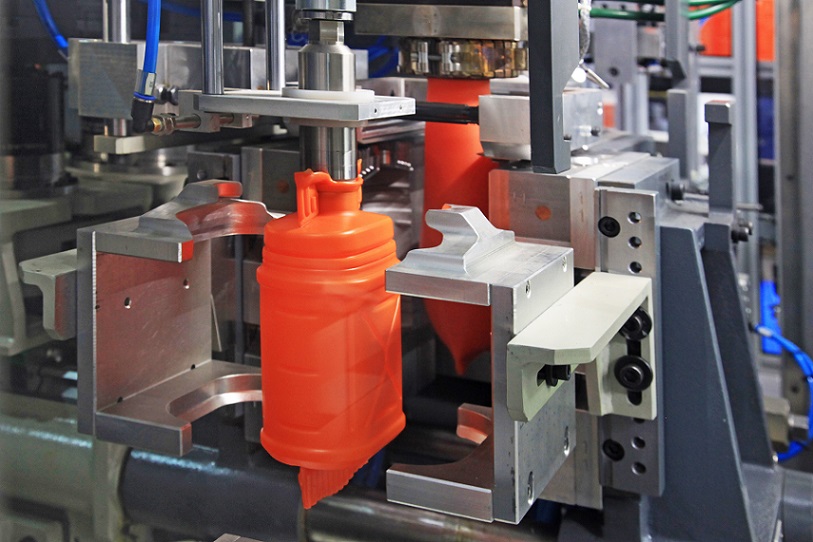
Thailand’s manufacturing sector has grown into one of Southeast Asia’s strongest production hubs. From automotive parts to consumer goods, factories across the country rely on advanced production methods to stay competitive. Poly moulding (known as บัวโพลี in Thai) sits at the centre of this shift, giving local manufacturers a reliable way to produce durable plastic components at scale.
Poly moulding is a process that shapes polymer materials into finished parts using heat and pressure. Techniques such as injection moulding, blow moulding, and rotational moulding fall under this umbrella. Thai producers use these methods to make everything from bottle caps and containers to structural automotive fittings. The appeal comes down to speed, consistency, and lower material waste, which matter deeply in a market where margins are tight and export demand keeps rising.
When you look at how poly moulding supports efficiency, the numbers speak clearly. A single injection moulding cycle can produce hundreds of identical parts within minutes. Automated machinery runs continuously, reducing the need for manual labour and cutting downtime between production runs. For Thai factories facing rising labour costs and growing order volumes, this automation frees up workers to focus on quality control and machine maintenance rather than repetitive tasks.
Efficiency Gains for Local Producers
Material handling improves too. Modern moulding equipment recycles excess polymer directly back into the production line, so very little goes to waste. This matters for manufacturers in provinces like Chonburi and Rayong, where industrial estates house large clusters of plastics and automotive suppliers. Lower waste means lower costs, and it also helps factories meet the environmental standards that international buyers increasingly demand.
Energy use is another area where gains show up. Newer machines use servo-driven systems that draw power only when needed. Compared with older hydraulic models, these systems can cut electricity consumption noticeably. In a country where energy prices affect the final cost of goods, these savings support stronger competitiveness against regional rivals such as Vietnam and Malaysia.
Consistent Quality at Scale
Product quality is where poly moulding truly proves its worth. Because the process relies on precise moulds and controlled conditions, each part comes out nearly identical to the last. This consistency reduces defects and lowers the rate of rejected goods. For exporters shipping to Japan, Europe, and North America, meeting exact specifications is not optional. Reliable moulding helps factories hit those standards run after run.
Advanced sensors now monitor temperature, pressure, and cooling times in real time. If a reading drifts outside the set range, the system adjusts automatically or flags the issue for an operator. This level of control means fewer faulty parts reach the shipping stage. It also builds trust with clients who expect dependable supply.
Thai manufacturers who invest in modern moulding capability position themselves well for the future. As demand grows for electric vehicle components and medical devices, precision plastic parts will only become more important. Poly moulding gives local producers the tools to meet that demand with speed and reliability, strengthening Thailand’s place in global supply chains for years to come.