

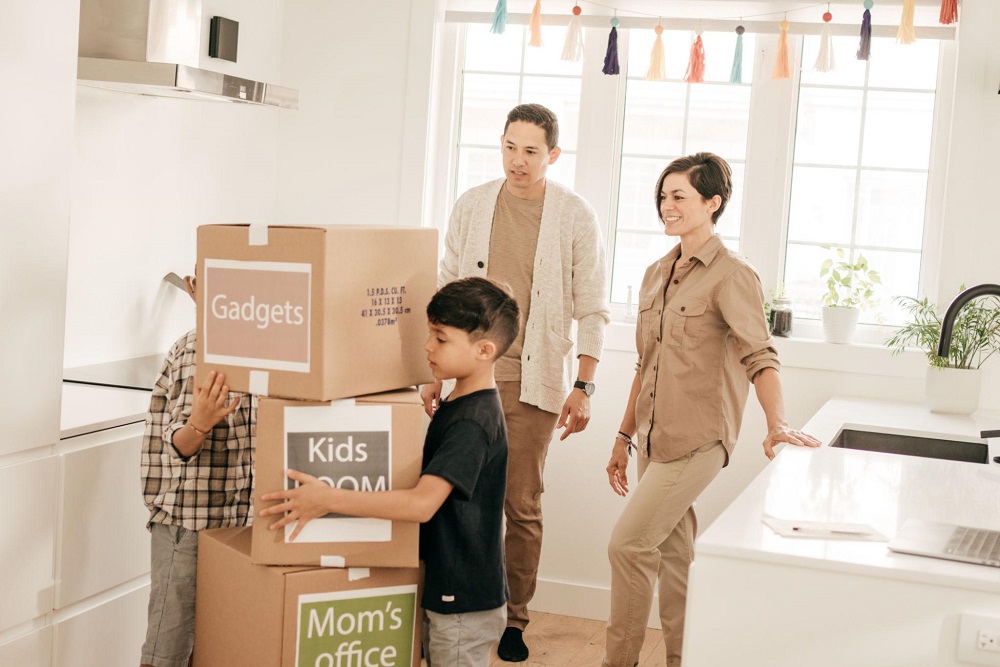
Relocating to a new city is a major life transition that involves careful coordination, thoughtful planning, and practical decision-making. Whether the move is driven by career opportunities, education, or personal reasons, managing relocation efficiently can reduce stress and help you settle into your new environment with confidence. This guide outlines practical steps to help you organize your move, protect your belongings, and adjust smoothly to a new city.
Planning Your Move Early
Early planning is the foundation of a successful relocation. Starting preparations at least four to six weeks before moving allows enough time to manage responsibilities without unnecessary pressure.
Key planning actions include
- Creating a relocation timeline
- Listing items to pack, donate, or discard
- Booking transportation or moving services
- Arranging temporary or permanent accommodation
- Notifying employers, schools, and service providers
A structured timeline prevents last-minute confusion and keeps the moving process organized.
Budgeting for Relocation Expenses
Moving to another city often involves several unexpected costs. Preparing a realistic budget helps avoid financial strain during the transition period.
Common relocation expenses include
- Transportation charges
- Packing materials and services
- Security deposits or advance rent
- Utility connection fees
- Travel expenses during the move
Maintaining a contingency fund ensures flexibility if costs increase unexpectedly.
Choosing the Right Moving Method
Selecting the appropriate moving method depends on distance, budget, and the number of belongings.
Available relocation options
- Hiring professional movers for full-service relocation
- Using transport-only services for large items
- Managing a self-move with rented vehicles
- Sending belongings through parcel or cargo services
Professional movers reduce physical effort and risk of damage, while self-moving can be cost-effective for smaller households.
Packing Efficiently and Safely
Efficient packing protects belongings and speeds up unpacking at the destination.
Recommended packing strategies
- Label boxes clearly by room and category
- Pack fragile items separately with cushioning
- Keep important documents in a personal folder
- Prepare an essentials bag for the first day after arrival
- Use sturdy boxes for heavier objects
Keeping essential items accessible prevents inconvenience immediately after reaching the new location.
Managing Address Changes and Documentation
Updating your address across institutions ensures continuity in communication and services.
Important updates to consider
- Bank accounts
- Identification documents
- Insurance records
- Subscription services
- Workplace and educational institutions
Maintaining a checklist for documentation updates prevents missed notifications.
Finding Accommodation in the New City
Securing accommodation before arrival simplifies relocation and reduces uncertainty.
Factors to evaluate when selecting housing
- Distance from workplace or school
- Public transport availability
- Safety of the neighborhood
- Access to healthcare and grocery stores
- Rental agreements and maintenance policies
Temporary accommodation can be useful if permanent housing decisions require more time.
Organizing Utilities and Essential Services
Setting up utilities in advance ensures immediate comfort after arrival.
Services to arrange early
- Electricity connection
- Water supply
- Internet services
- Gas connection
- Waste collection services
Scheduling installations ahead of time prevents delays in settling into daily routines.
Adjusting to the New Environment
Relocation does not end after reaching the new city. Emotional adjustment and social integration are equally important.
Ways to adapt smoothly
- Explore nearby neighborhoods
- Introduce yourself to neighbors
- Locate essential services early
- Establish daily routines quickly
- Participate in community activities
Building familiarity with the surroundings creates a sense of belonging and stability.
Supporting Family Members During Relocation
Moving affects each family member differently. Providing reassurance helps everyone adjust comfortably.
Helpful strategies include
- Involving children in packing tasks
- Discussing expectations about the new city
- Maintaining familiar routines where possible
- Encouraging open communication about concerns
A supportive environment makes relocation a shared positive experience rather than a stressful transition.
Staying Organized on Moving Day
Moving day requires coordination and attention to detail.
Important actions for the day of relocation
- Keep important documents accessible
- Supervise loading and unloading
- Confirm inventory of packed items
- Carry essential personal belongings separately
- Verify destination address with movers
Staying organized minimizes confusion during the final stage of relocation.
FAQ Section
1. How far in advance should relocation planning begin
Planning should ideally start four to six weeks before the move to allow enough time for packing, documentation updates, and service arrangements.
2. What items should be packed separately during relocation
Important documents, medications, valuables, chargers, clothing for immediate use, and personal identification should be packed separately.
3. Is it better to hire movers or relocate independently
Hiring movers is suitable for large households and long-distance moves, while independent relocation works well for smaller loads and tighter budgets.
4. How can relocation stress be reduced
Creating a checklist, planning early, delegating responsibilities, and maintaining a flexible schedule help reduce relocation stress.
5. Should accommodation be finalized before moving to another city
Finalizing accommodation beforehand is recommended, though temporary housing can be useful when exploring long-term options.
6. How can children adapt more easily to relocation
Involving them in preparation, maintaining routines, and introducing them gradually to the new environment helps them adjust faster.
7. What documents typically need address updates after relocation
Common updates include bank records, identification cards, insurance policies, workplace information, and subscription services.