

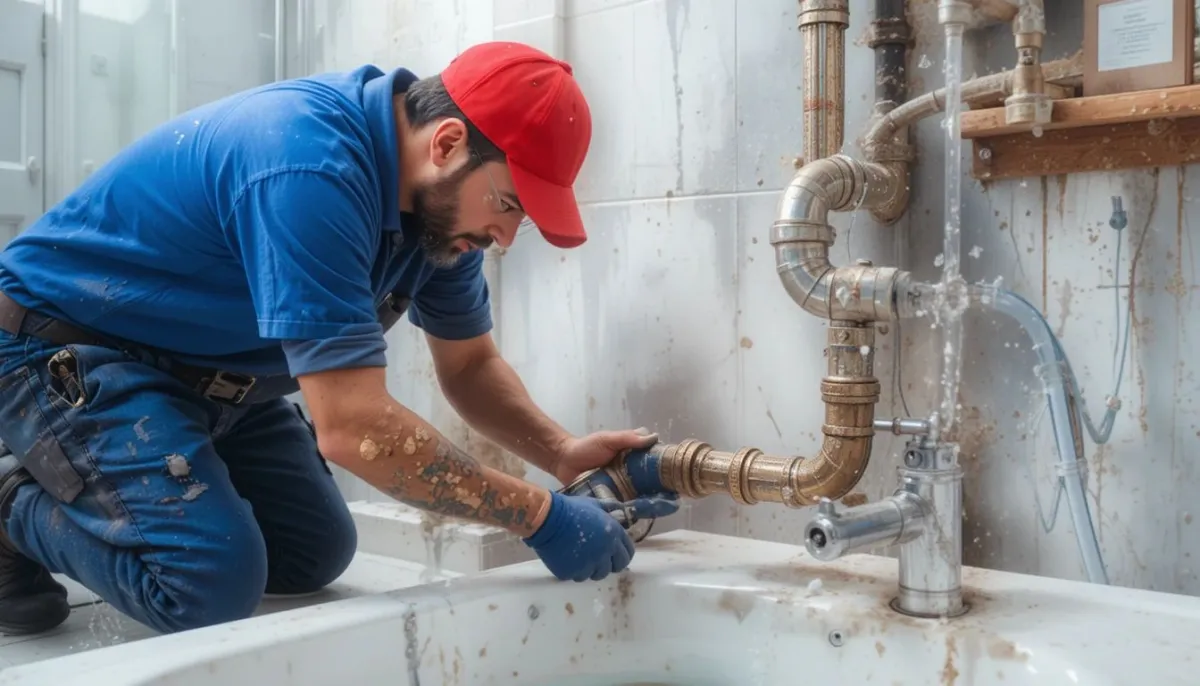
A home’s plumbing system works quietly in the background, but aging pipes can gradually turn into costly and disruptive problems. Knowing when to replace old plumbing pipes helps homeowners prevent water damage, improve water quality, and maintain property value. This guide explains the key warning signs, pipe lifespan expectations, and practical timing strategies for replacement.
Signs Your Plumbing Pipes May Need Replacement
Older plumbing systems often show clear signals before failure. Paying attention to these early indicators can help prevent emergency repairs.
Common warning signs include
- Frequent leaks or recurring pipe repairs
- Rust-colored or cloudy tap water
- Noticeable drop in water pressure
- Unusual metallic taste in drinking water
- Visible corrosion, flaking, or discoloration on exposed pipes
- Unexplained increases in water bills
- Damp walls, ceilings, or floors
If several of these symptoms appear together, replacement is usually more practical than continued patchwork repairs.
Average Lifespan of Common Plumbing Pipe Materials
Understanding the expected lifespan of your plumbing material helps determine whether replacement is overdue.
Typical pipe lifespan ranges
- Galvanized steel: 40 to 50 years
- Copper: 50 to 70 years
- Brass: 40 to 70 years
- PVC: up to 50 years
- CPVC: 50 to 70 years
- PEX: 40 to 50 years
Homes built before the 1970s often contain galvanized steel pipes that may already be approaching failure risk.
Why Replacing Aging Pipes Matters
Old plumbing pipes do more than inconvenience homeowners. They can affect health, safety, and long-term repair costs.
Key benefits of timely replacement
- Improved water quality and taste
- Reduced risk of sudden pipe bursts
- Stronger and more consistent water pressure
- Lower maintenance and repair expenses
- Increased home resale value
- Protection against mold caused by hidden leaks
Replacing aging pipes early helps avoid emergency water damage that can be far more expensive than planned upgrades.
Best Times to Replace Plumbing Pipes
Pipe replacement becomes easier and more cost-effective when coordinated with other home improvement projects.
Ideal situations for replacement include
- During kitchen or bathroom remodeling
- When purchasing an older home
- After repeated plumbing failures
- Before finishing a basement
- When upgrading fixtures or appliances
- If insurance inspections flag pipe deterioration
Planning replacement during renovations reduces labor costs because walls and floors are already accessible.
How to Tell If Partial or Full Repiping Is Needed
Not every home requires a full system replacement. The decision depends on pipe condition, age, and layout.
Partial replacement may be enough when
- Only isolated sections show corrosion
- Damage is limited to exposed areas
- Pipes are relatively modern but locally affected
Full repiping is usually recommended when
- The plumbing system exceeds its expected lifespan
- Multiple leaks occur across different areas
- Water quality problems affect the entire home
- Pipes are made from outdated materials
A professional inspection can confirm which approach is most practical.
Choosing Modern Replacement Pipe Materials
Selecting the right material improves durability and performance for decades.
Popular modern options include
- PEX for flexibility and cost efficiency
- Copper for durability and reliability
- CPVC for corrosion resistance and affordability
Each option suits different budgets, climates, and installation conditions.
Cost Factors That Influence Pipe Replacement
Replacement costs vary depending on several important variables.
Major pricing influences include
- Size of the home
- Pipe material selected
- Accessibility of plumbing lines
- Labor rates in the region
- Extent of wall or flooring removal required
Planning ahead helps homeowners schedule upgrades before urgent failures increase expenses.
Preventive Maintenance Tips to Extend Pipe Life
Even newer plumbing systems benefit from regular care.
Helpful maintenance practices
- Monitor water pressure levels regularly
- Inspect exposed pipes annually
- Install water softeners if needed
- Address leaks immediately
- Avoid chemical drain cleaners that damage pipes
Consistent maintenance delays deterioration and reduces replacement frequency.
FAQ Section
How can homeowners identify what type of pipes are installed in their home
Pipe material can usually be identified by color, texture, and markings. A licensed plumber can confirm the material quickly during inspection if uncertainty remains.
Does replacing plumbing pipes increase property value
Yes. Updated plumbing improves buyer confidence and reduces inspection concerns during resale transactions.
Can old pipes affect drinking water safety
Yes. Aging or corroded pipes may introduce rust particles or contaminants that affect water clarity and taste.
Is whole-house repiping disruptive to daily routines
Repiping can temporarily affect water access, but experienced contractors usually complete work in phases to minimize disruption.
Are plastic pipes better than metal pipes for replacements
Plastic options like PEX and CPVC resist corrosion and are easier to install, while copper remains valued for durability and long service life.
Should pipes be replaced before visible leaks appear
Yes. Waiting until leaks appear increases the risk of structural damage and emergency repair costs.
How long does a typical residential repiping project take
Most projects take between two days and one week depending on home size and pipe accessibility.