

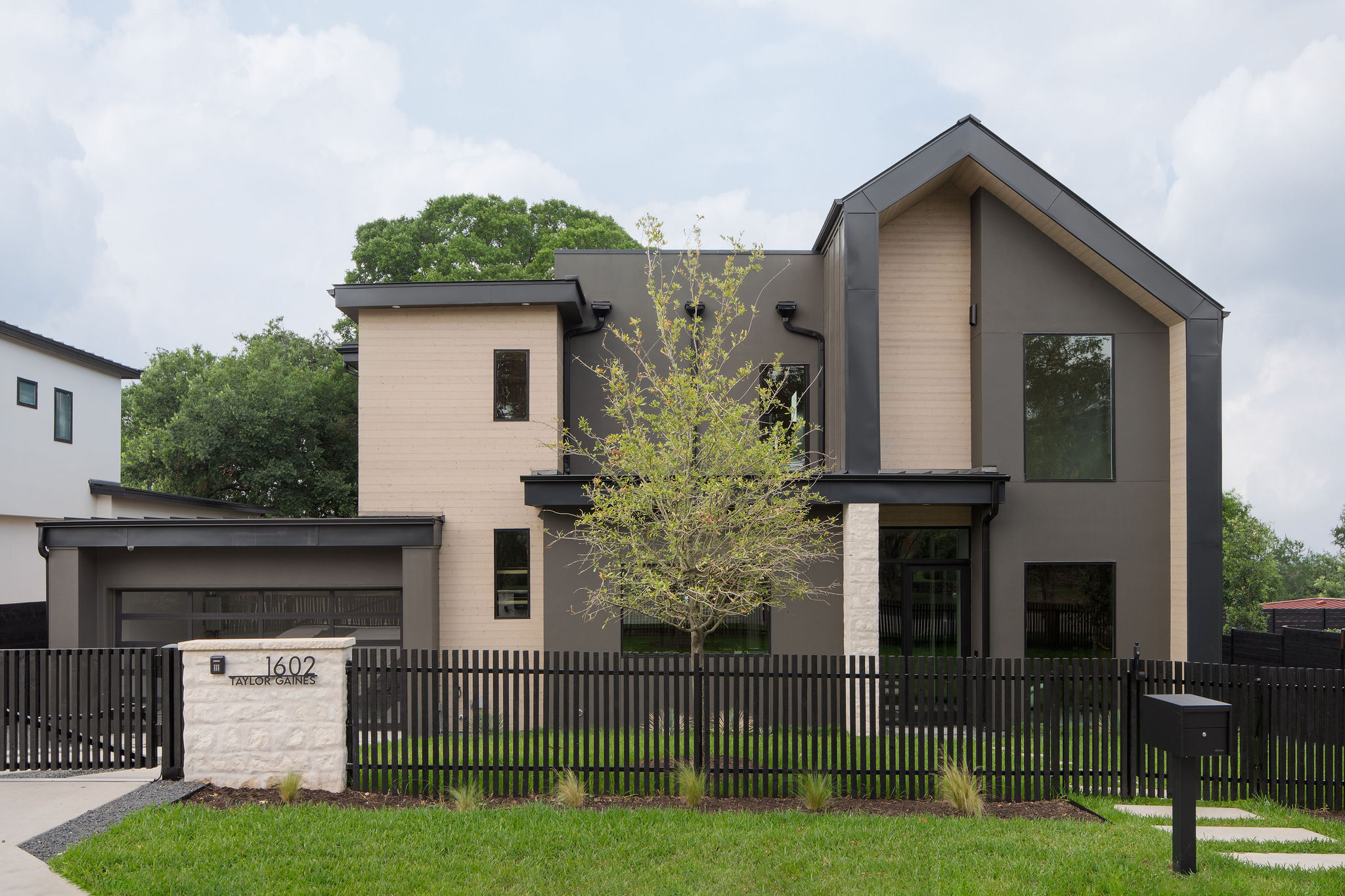
Modern roofing has evolved far beyond basic protection from weather. Today’s roofing solutions combine durability, energy efficiency, and strong visual appeal to enhance a home’s exterior character. Homeowners are increasingly choosing roofing styles that complement architectural identity while improving long-term performance and sustainability.
Below are the most influential roofing trends shaping contemporary home exteriors.
Sustainable Roofing Materials
Sustainability has become a defining factor in modern exterior design. Roofing materials are now selected not only for appearance but also for environmental impact and efficiency.
Popular eco-conscious roofing choices include:
- Metal roofing, valued for durability and recyclability
- Composite shingles, made from recycled materials
- Solar-integrated roofing systems, combining energy production with structure
- Green roofs, supporting vegetation for insulation and aesthetics
These options help reduce heat absorption, improve insulation, and lower energy consumption while adding a contemporary look to the home.
Architectural Shingles for Dimensional Appeal
Architectural shingles are replacing traditional flat shingles across many neighborhoods. Their layered design creates texture and depth that enhances curb appeal significantly.
Advantages include:
- Stronger resistance to wind and weather
- Longer lifespan than standard shingles
- A premium textured appearance
- Availability in multiple color blends
They provide a refined look without dramatically increasing installation costs.
Metal Roofing with Modern Finishes
Metal roofing has transformed from a purely industrial solution into a stylish residential choice. Sleek finishes and bold tones now make metal roofing a statement feature.
Trending finishes include:
- Matte black
- Charcoal gray
- Earth-inspired bronze
- Soft metallic neutrals
Metal roofs complement modern farmhouse designs, minimalist homes, and contemporary architecture equally well.
Solar Roofing Integration
Solar roofing has become more visually appealing than traditional mounted panels. New solar tile systems blend directly into the roof structure.
Benefits include:
- Reduced electricity bills
- Seamless roofline integration
- Increased property value
- Environmentally responsible energy production
This technology allows homeowners to upgrade both appearance and functionality simultaneously.
Cool Roof Technology for Energy Efficiency
Cool roofing materials reflect more sunlight and absorb less heat compared to traditional surfaces. This trend is especially valuable in warm climates.
Key advantages include:
- Lower indoor temperatures
- Reduced air conditioning costs
- Extended roof lifespan
- Improved environmental performance
Light-colored shingles and reflective coatings are popular choices for implementing this solution without compromising visual appeal.
Mixed Material Roofing Designs
Combining materials is becoming a strong architectural trend. Designers now mix textures to create layered exterior depth.
Common combinations include:
- Metal roofing with asphalt shingles
- Tile roofing paired with stone accents
- Wood-style shingles combined with composite panels
These combinations help highlight structural features and add visual sophistication.
Bold Roofing Color Palettes
Neutral tones remain popular, but bold roofing colors are gaining attention among homeowners seeking distinctive exteriors.
Trending color choices include:
- Deep charcoal
- Slate blue
- Forest green
- Weathered copper tones
When coordinated with siding and trim, these colors dramatically enhance curb appeal and architectural identity.
Low-Maintenance Synthetic Roofing Options
Synthetic roofing materials replicate the look of slate, wood, or clay without the maintenance challenges of natural materials.
Reasons homeowners prefer synthetic roofing:
- Lightweight installation
- Resistance to cracking and moisture
- Longer durability
- Consistent color retention
These options allow homeowners to achieve premium aesthetics without high upkeep costs.
Smart Roofing Systems with Built-In Monitoring
Technology is now part of roofing design. Smart roofing systems help homeowners monitor performance and detect issues early.
Features often include:
- Moisture detection sensors
- Temperature regulation tracking
- Leak alerts
- Maintenance reminders
These systems improve roof longevity while protecting the home exterior from unnoticed damage.
FAQ Section
What roofing material adds the most value to a home’s exterior?
Metal roofing and architectural shingles typically provide the highest visual and resale value due to durability and modern appearance.
Are modern roofing trends suitable for older homes?
Yes. Many contemporary materials are designed to complement traditional architectural styles while improving performance and efficiency.
How long does a modern metal roof usually last?
A properly installed metal roof can last between 40 and 70 years depending on climate and maintenance conditions.
Can changing roof color improve curb appeal significantly?
Yes. Updating roof color can dramatically transform a home’s exterior appearance, especially when coordinated with siding and trim.
Are solar roofing systems difficult to maintain?
Most solar roofing systems require minimal maintenance and are designed to function efficiently for decades with occasional inspection.
Do synthetic roofing materials look realistic from a distance?
Modern synthetic roofing products closely replicate natural materials and are often indistinguishable from slate or wood at normal viewing distances.
Is cool roofing only useful in hot climates?
While especially beneficial in warmer regions, cool roofing technology can improve comfort and energy efficiency in moderate climates as well.