

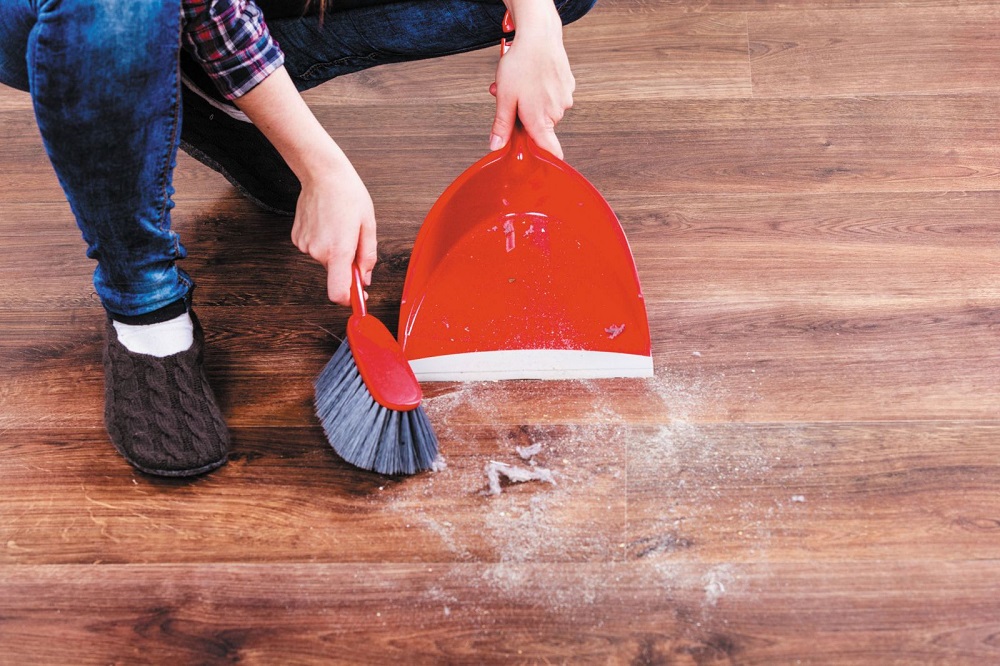
Indoor air often contains a surprising amount of dust made up of fine particles such as skin cells, fabric fibers, pollen, soil fragments, and microscopic pollutants. When allowed to accumulate, these particles circulate through living spaces and may affect comfort, cleanliness, and respiratory health. Effective dust control strategies can significantly improve indoor air quality and create a healthier environment for occupants.
This article explains practical and reliable methods to reduce indoor dust using a combination of cleaning practices, filtration systems, humidity management, and preventive habits.
Why Dust Control Matters for Indoor Air Quality
Indoor dust does not remain settled for long. It becomes airborne through everyday movement such as walking, opening doors, or operating fans and HVAC systems. Once airborne, these particles can circulate repeatedly throughout the home.
Common consequences of excessive indoor dust include:
- Reduced air freshness and comfort
- Triggering of allergy symptoms
- Increased respiratory irritation
- Faster accumulation on furniture and surfaces
- Reduced efficiency of ventilation systems
Controlling dust improves both hygiene and overall indoor environmental quality.
Improve Air Filtration with High Efficiency Filters
Air filtration plays a central role in reducing airborne particles. HVAC filters and standalone purifiers capture dust before it spreads through indoor spaces.
Effective filtration practices include:
- Installing high efficiency particulate air filters in air purifiers
- Using upgraded HVAC filters with higher particle capture ratings
- Replacing filters regularly according to manufacturer recommendations
- Positioning air purifiers in high activity rooms such as bedrooms and living rooms
Air purifiers are especially useful in homes located near construction areas, busy roads, or dry outdoor environments where dust levels are higher.
Adopt Smart Cleaning Techniques that Reduce Dust Spread
Traditional cleaning sometimes redistributes dust rather than removing it. Using targeted cleaning methods improves effectiveness.
Recommended cleaning approaches include:
- Wiping surfaces with microfiber cloths that trap particles
- Using vacuum cleaners equipped with sealed filtration systems
- Damp mopping floors instead of dry sweeping
- Cleaning ceilings, curtains, and shelves regularly
Microfiber materials are particularly effective because their structure captures fine particles rather than pushing them back into the air.
Control Humidity Levels to Prevent Dust Circulation
Humidity levels influence how easily dust becomes airborne. Extremely dry air allows particles to move freely, while excessive humidity encourages biological contaminants.
Maintaining balanced indoor humidity helps stabilize dust movement.
Practical steps include:
- Keeping indoor humidity between moderate comfort levels
- Using humidifiers during dry seasons
- Operating dehumidifiers in damp environments
- Ensuring bathrooms and kitchens are properly ventilated
Balanced moisture levels support cleaner indoor air and improve occupant comfort.
Reduce Dust Entry from Outdoor Sources
Outdoor particles are a major contributor to indoor dust buildup. Preventing their entry reduces cleaning effort and improves air freshness.
Helpful prevention strategies include:
- Placing doormats at entrances
- Removing shoes before entering living areas
- Keeping windows closed during dusty weather conditions
- Sealing gaps around doors and windows
These simple habits significantly reduce the amount of external dust entering the home.
Maintain Soft Furnishings to Limit Dust Accumulation
Soft surfaces collect and retain large amounts of dust over time. Regular maintenance prevents particles from becoming airborne again.
Focus areas include:
- Washing bedding frequently
- Vacuuming mattresses and upholstered furniture
- Cleaning curtains and carpets periodically
- Choosing washable fabrics when possible
Homes with fewer heavy textiles generally accumulate less dust overall.
Improve Ventilation for Continuous Air Refreshing
Fresh air exchange reduces indoor particle concentration. Even small improvements in ventilation can enhance air quality noticeably.
Effective ventilation techniques include:
- Opening windows during low dust outdoor conditions
- Using exhaust fans in kitchens and bathrooms
- Maintaining clean air vents
- Ensuring airflow pathways remain unobstructed
Balanced ventilation supports both comfort and pollutant removal.
Keep Indoor Plants Strategically and Maintain Them Properly
Certain indoor plants contribute to air freshness and may support particle settling. However, poorly maintained plants can become dust sources themselves.
Best practices include:
- Cleaning leaves regularly
- Avoiding overwatering soil
- Removing dead plant material promptly
- Choosing low maintenance indoor species
Proper plant care supports cleaner indoor air rather than increasing contamination.
Establish a Consistent Dust Control Routine
Dust control works best when approached as a regular habit rather than a one time activity.
An effective routine typically includes:
- Weekly surface cleaning
- Regular vacuuming schedules
- Monthly deep cleaning of hidden areas
- Timely replacement of filters
Consistency ensures long term improvement in indoor air quality.
Frequently Asked Questions
How often should indoor air filters be replaced
Most residential air filters should be replaced every one to three months depending on dust exposure levels and household activity.
Does vacuuming daily help reduce indoor dust
Frequent vacuuming helps significantly, especially when using equipment with high efficiency filtration systems that prevent particles from reentering the air.
Are carpets a major source of indoor dust
Carpets can trap large amounts of dust. Regular deep cleaning and vacuuming reduce their impact on indoor air quality.
Can indoor air quality improve without using air purifiers
Yes. Consistent cleaning, ventilation improvement, and humidity control can greatly enhance air quality even without standalone purification devices.
Do ceiling fans increase indoor dust levels
Ceiling fans do not create dust but can circulate existing particles if surfaces are not cleaned regularly.
Is opening windows always helpful for reducing indoor dust
Opening windows helps when outdoor air is clean. During dusty conditions it may increase indoor particle levels instead.
What is the most effective single step to reduce indoor dust quickly
Using a vacuum cleaner with high efficiency filtration and cleaning frequently used areas provides immediate noticeable improvement in indoor air conditions.