

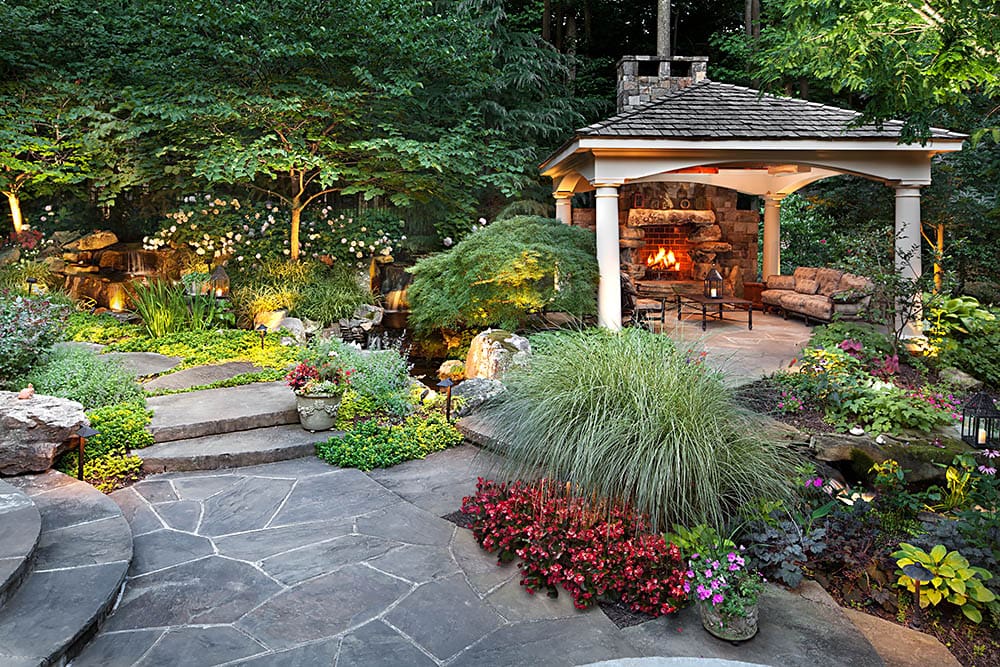
Outdoor living has evolved beyond simple patios and decks. Today, it’s about creating inviting, functional spaces that feel as comfortable as indoor rooms while staying deeply connected to nature. With thoughtful design, you can turn your backyard, terrace, or garden into a place that supports relaxation, social gatherings, and everyday living.
Designing Outdoor Spaces with Purpose
A successful outdoor living area begins with intention. Instead of treating the space as an afterthought, design it the same way you would an interior room.
Define Functional Zones
Clearly defined zones make outdoor areas more usable and visually appealing.
-
Lounge areas for relaxing and entertaining
-
Dining zones for meals and gatherings
-
Quiet corners for reading or meditation
Using rugs, planters, or changes in flooring materials helps create structure without disrupting the natural flow.
Comfortable Furniture That Belongs Outdoors
Comfort is essential when blending indoor luxury with outdoor settings.
Choose Weather-Ready Materials
Look for furniture made from teak, aluminum, rattan, or powder-coated steel. These materials resist moisture, sun exposure, and temperature changes while maintaining a refined appearance.
Layer with Soft Textiles
Add cushions, throw pillows, and blankets made from outdoor-rated fabrics. They provide comfort while withstanding rain and UV rays.
-
Neutral tones create calm, natural harmony
-
Earthy colors blend seamlessly with greenery
-
Textured fabrics add warmth and depth
Natural Elements That Ground the Space
Nature should feel like a core feature, not a backdrop.
Incorporate Organic Materials
Stone, wood, and clay help anchor outdoor designs in the natural environment. A wooden pergola or stone pathway instantly adds character and warmth.
Use Plants Strategically
Plants do more than decorate—they define mood and movement.
-
Tall plants create privacy
-
Flowering varieties add seasonal color
-
Herbs provide fragrance and functionality
Lighting That Enhances Atmosphere
Lighting determines how usable your outdoor space feels after sunset.
Layer Different Light Sources
A mix of lighting types creates balance and ambiance.
-
String lights for a cozy glow
-
Solar path lights for safety and guidance
-
Lanterns and sconces for decorative accents
Warm-toned lighting helps maintain a natural, relaxed environment.
Seamless Indoor-Outdoor Flow
Blurring the line between indoor and outdoor spaces makes your home feel larger and more connected.
Extend Interior Design Outdoors
Echo indoor colors, materials, and styles outside. Sliding doors, large windows, and consistent flooring tones create visual continuity.
Add Outdoor Comfort Features
Small upgrades can dramatically improve usability.
-
Outdoor heaters or fire pits
-
Ceiling fans for airflow
-
Shade structures like pergolas or umbrellas
Sustainable Choices for Long-Term Enjoyment
Sustainability enhances both comfort and responsibility.
Eco-Friendly Design Ideas
Choose features that reduce maintenance and environmental impact.
-
Native plants that require less water
-
Reclaimed or recycled materials
-
Energy-efficient solar lighting
These choices not only support nature but also keep outdoor spaces practical and cost-effective.
Personal Touches That Make It Yours
The most inviting outdoor spaces reflect personality and lifestyle.
-
Decorative ceramics or sculptures
-
Outdoor art or wall features
-
Fire bowls or tabletop fountains
These details add character while keeping the environment relaxed and natural.
Frequently Asked Questions
How can I make a small outdoor space feel comfortable?
Focus on multifunctional furniture, vertical plants, and soft lighting to maximize comfort without crowding the area.
What materials last longest in outdoor living spaces?
Teak, aluminum, stone, and outdoor-rated fabrics are durable and well-suited for changing weather conditions.
How do I maintain outdoor furniture year-round?
Use protective covers, clean materials seasonally, and store cushions indoors during extreme weather.
Can outdoor living spaces be used in colder climates?
Yes, adding fire pits, outdoor heaters, and weather-resistant enclosures extends usability through cooler seasons.
What’s the best way to add privacy outdoors?
Use tall plants, lattice panels, outdoor curtains, or pergolas with climbing vines for natural privacy.
How do I balance nature with modern design?
Combine clean-lined furniture with organic materials like wood and stone to create a harmonious blend.
Are outdoor rugs practical?
Outdoor rugs made from synthetic fibers are durable, easy to clean, and help define seating or dining areas.